Exploring the environmental impact of faux leather VS genuine leather.
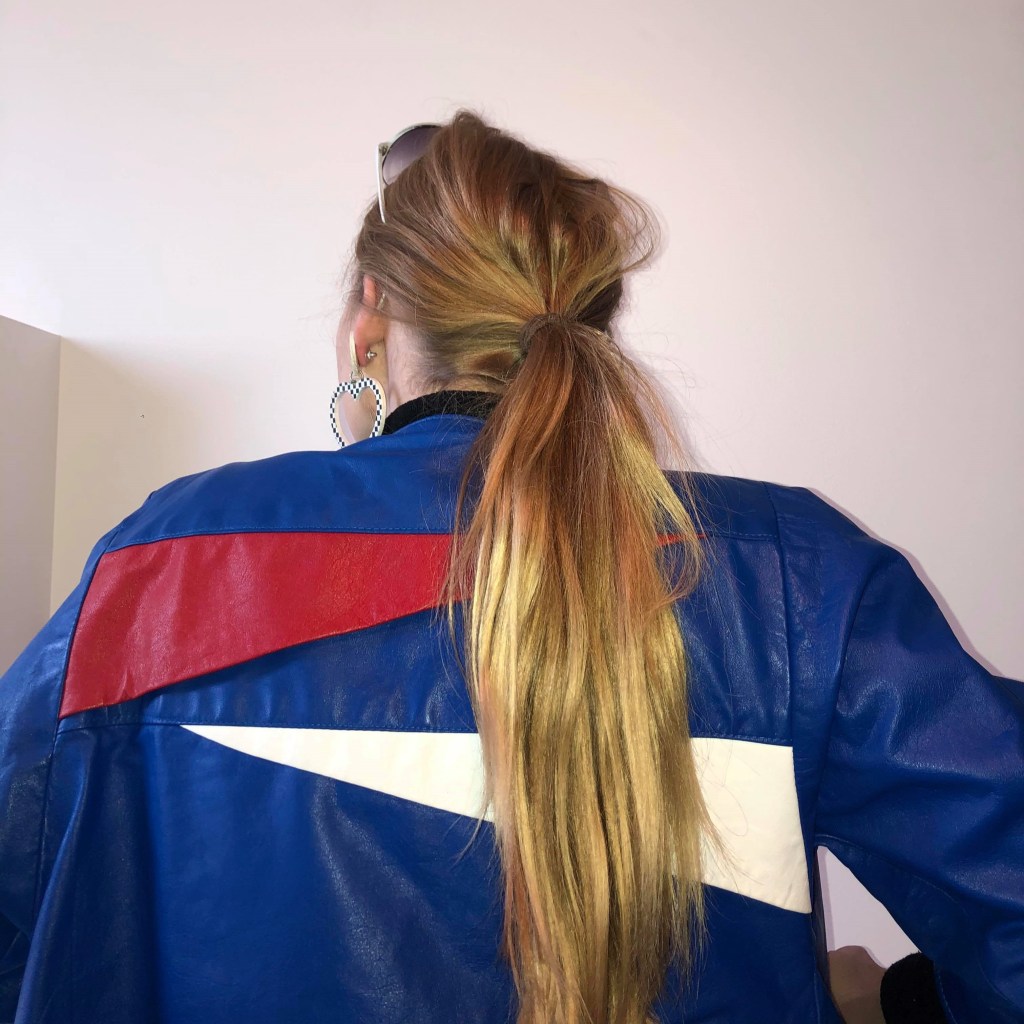
‘Pleather’ jacket and leather pants – all vintage 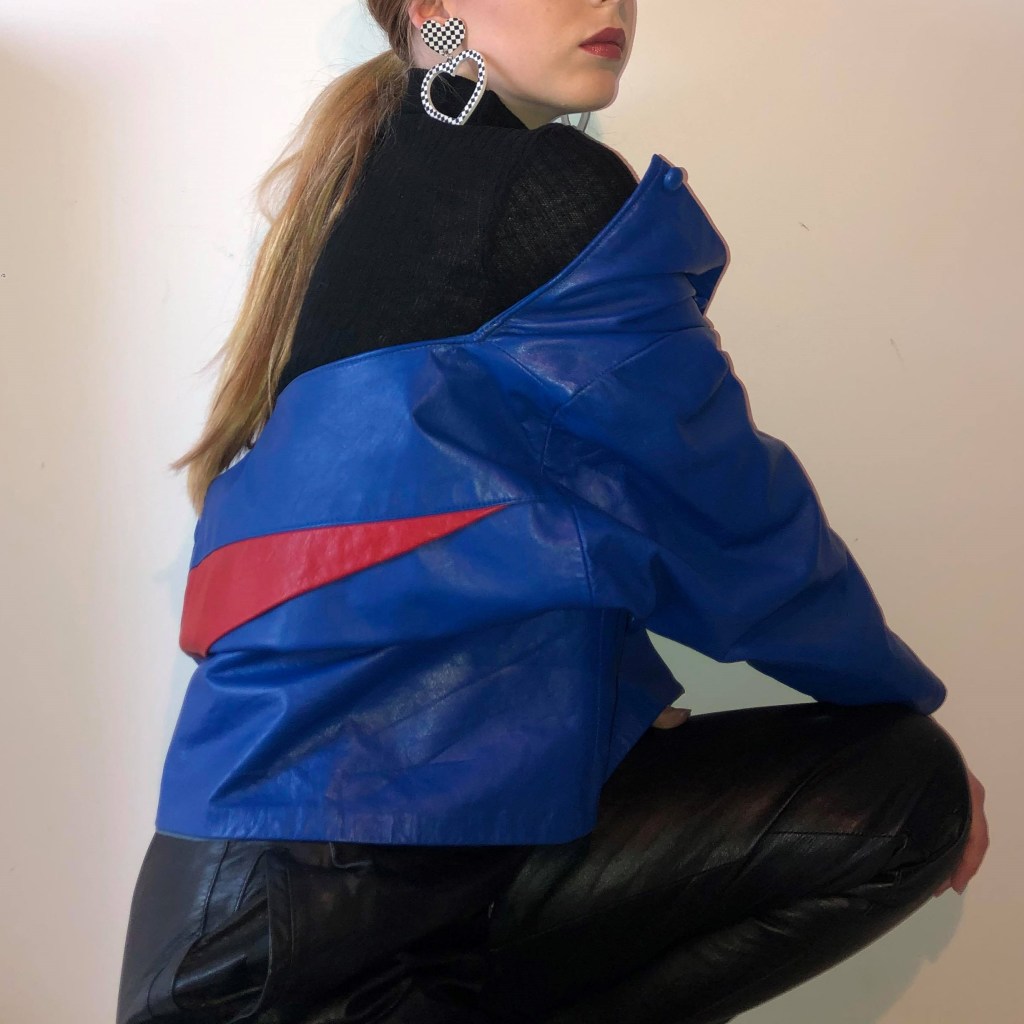
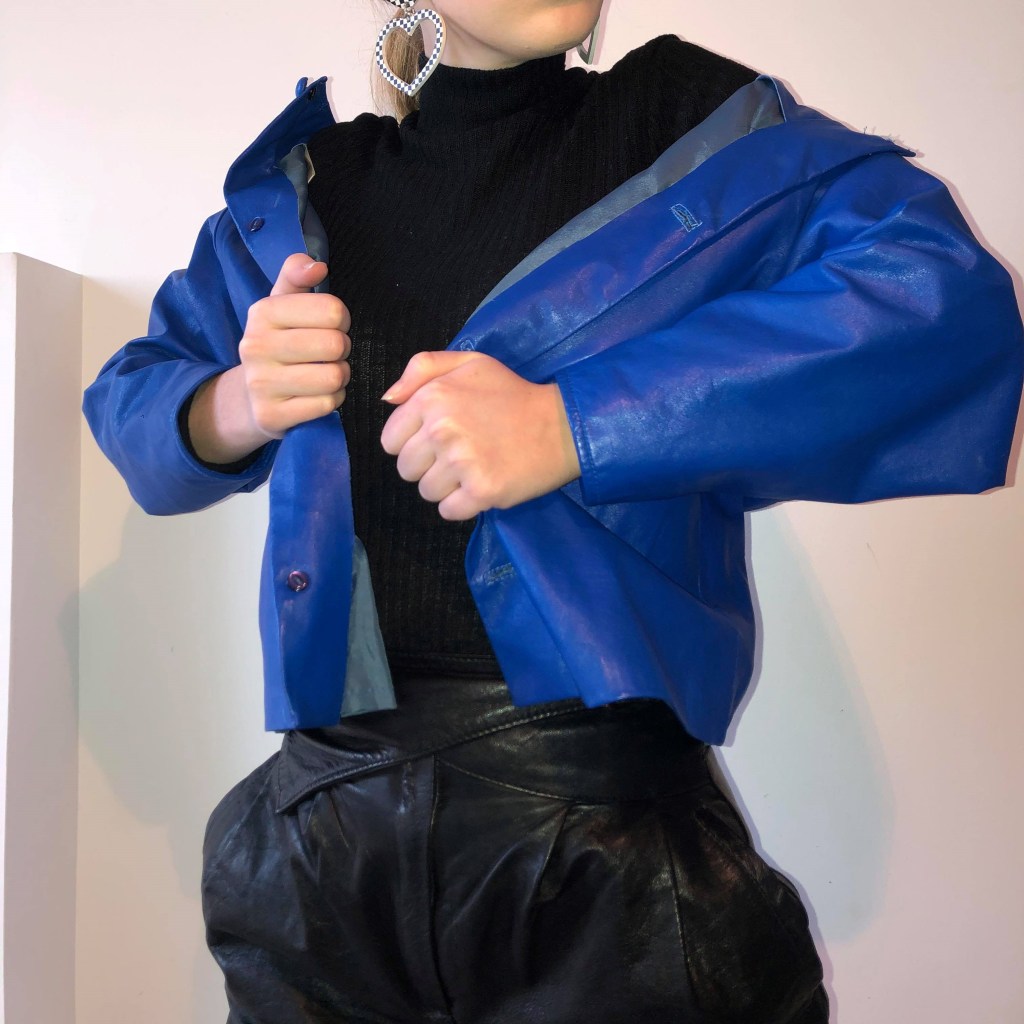
‘Pleather’ is a substitute or fake leather which people often buy as an inexpensive and cruelty-free alternative of genuine leather. It has large environmental drawbacks involving the materials used and production. Faux leathers are made of plastic and consist of either PVC or polyurethane which is sourced from fossil fuels, a finite resource. Plastic based products such as these never truly break down, they are the major cause of micro plastics within the ocean and other waterways. Due to this, they can have tremendous repercussions on both marine and land-based animals.
The leather industry’s main criticism is in the skin and fur trade, involving the countless killings and slaughters of animals. Yet, this industry often runs on animal meat by-products. If the leather ‘tanneries’ did not exist, the hides would be dumped, causing another type of pollution, and the high amounts of methane gas produced by cattle farming for these industries would still remain an issue. The process required to create leather products involves large amounts of energy and water. The tanneries also use toxic chemicals such as chromium, a likely carcinogenic which softens the leather. Similarly to faux leather, this product also enters waterways harming and polluting the environment and our agriculture.
Currently sustainability has been a large focus within the fashion industry and researchers are constantly working on new faux products derived from alternative materials such as kombucha, a fermented tea. The leather industry is also using different chemicals such as vegetable oil for a substitute of chrominum. However, it’s environmental impact includes the deforestation of trees and high water usage, even if the product itself is less toxic than other chemicals.
There is no one true answer as to whether fake or genuine leather is a cleaner or more environmental purchase as both effect the Earth in different ways. All businesses will have their own methods of production and dealing with waste. If you are buying this type of product, I recommend finding a brand which has a good environmental and ethical stance. Buy leather and pleather products as a long lasting investment which you will expect to use and own for a long time, or purchase from second hand shops as I do to avoid contributing to any of the pollution and waste caused by these industries.
 My fashion fix