Featured

Fashion Fix – What you should know.

Before diving into fashion, it is important to understand that your overall comfort and confidence wearing an outfit is your greatest achievement. It helps to know the rights and wrongs of fashion and to gain an understanding as to why an outfit may or may not work, but your sense of fashion is an expression of yourself. People wear a certain style of clothing because they are projecting an image of who they are or want to be.

Your confidence in a particular outfit will project a vibe; a straight back and good posture is important to maintain. You want the people around you to admire the outfit you are wearing, but slouched shoulders and a dampened posture will create the appearance that your outfit is wearing you. Remember that your clothing is an accessory to yourself, but it does not determine who you are.

This blog will discuss many ideas and trends within the fashion industry as I dive deep to understand sustainability. I’m here to explore fashion, and learn how to start my own business within this multi-billion dollar industry.

Why is Sustainable Fashion so Important?

Not long ago, slow fashion was far from my sights, I didn’t really understand it or what it entailed. I used to buy clothing from fast fashion businesses frequently due to my constant need to impress people and own new clothing; it was a bonus when these places were dirt cheap. I would occasionally splurge and purchase a pair of jeans which had a brand name and an $80 price tag instead of $30, assuming that they were more sustainable and ethical. Surely a more expensive price point meant that workers would have higher wages and were using better materials? The truth is, most of the clothing you purchase at cheap retailers are made in the same factories as higher priced retailers. As consumers, we focus on the end product and are in denial of the production. The product and need for more is too enticing, and apart from some loose threads or maybe shrinkage in the wash, there will never be any personal repercussions for our actions.

Slow fashion considers the processes and resources which are needed to make clothes and inspires the longevity of products. It is adverse to fast fashion which constantly exploits both our natural environment and the workers within the supply chain. We own more clothing than we will ever need, and probably more than we will ever wear. Our clothing is priced to be disposable. Unfortunately, the people making this clothing are barely making a living wage because the billionaire CEO’s behind these corporations seem to be too busy gaining wealth to realise that the fair treatment of humans > money.

As fast fashion continues to destroy the worker’s lives, it also pollutes the environment. We’re trying to save the turtles by avoiding plastic bags at supermarkets and using metal straws. Yet, every time you wear or wash a polyester, nylon or acrylic shirt, you’re polluting the ocean with the micro-plastics they leave behind. How about the toxic dyes which can be used to colour clothes cheaply? Or the absurd amount of water it takes to make one plain white cotton t-shirt? Your clothes are causing large amounts of waste across the globe and your reusable coffee cup isn’t going to prevent the devastation it’s creating.

The great thing about slow fashion is that it’s simple to support the cause. Buy less and check the label. Is it a novelty item that you’ll wear once? Then you don’t need it. There are great sites to help you make the right decision when purchasing clothing. I recommend downloading the good on you app or checking out the fashion revolution website linked below for more information about brand transparency.

Slow fashion was once in the past and is slowly becoming the future. Take more pride in what you wear and buy, respect your clothing and the world you live in.

Sustainable Fashion Links:

https://baptistworldaid.org.au/resources/2019-ethical-fashion-guide/

https://goodonyou.eco/

Starting a Sustainable Clothing Brand – My Current Business Plan

This page is my constantly changing business plan as I develop my understanding of the fashion industry and determine what is important to create a successful fashion brand

Step 1: Define what sustainable and ethical fashion is: what do I need to follow to become an environmentally friendly business?

Step 2: Sustainability cannot be the only defining feature of the brand, it is only a selling point and mission to encompass. What type of clothes will my brand sell and what is the target audience? Draw up a range board to understand the feel of your brand.

Step 3: Engaging with followers and starting social media, how can I engage and grow my following to benefit my entrepreneurship? What should I be posting? How should my accounts be set up?

Step 4: Talk to someone who has started their own brand, message friends or influencers to understand how the process works, what did I learn?

Step 5: Design a logo, brand name and write a mission statement, use adobe illustrator and photoshop, describe the customer and why they would buy the product

Step 6: Draw up a collection, start small and also pattern make each item in sizes 6-14 (AUS), I will aim to expand size ranges as I continue, make clothes for friends to check sizing and also allow them to promote the product on their social media

Step 7: Learn more about sourcing materials, how people get in contact with businesses, talk to people within the sustainable industry

Step 8: Will I start my business small and at home, sewing and selling from my house? Do I have the room to do that? Or take it to suppliers to be produced? Research what will work best for me

Step 9: Where will I get my fabrics, materials, zips, buttons etc? Will I buy in bulk? How will I keep this process sustainable and ethical?

Step 10: Understand and write up a budget. Now that I have decided how the project will occur, understand costings and marketing. What pricing is affordable to both the consumer and I?  

Step 11: Decide on a launch date, design a website, decide what I want to promote and how to promote it, who will be the target audience? how will packages be delivered? What sort of packaging will I use keeping in mind sustainable guidelines?

Step 12: Launch the product on all social media accounts, decide what is best for the store from there
My Business Venture: A Small Discussion

Recently, I have decided to write this blog so I can discuss clothing and understand the journey and process into the fashion industry. My broad aim is to start a small scale brand which produces slow fashion* sustainably and ethically, bringing awareness to fast fashion and the waste it causes. This blog is my personal memoir to understand processes, hold myself accountable and to make mistakes along the way. Hopefully others can learn from my experiences and grow. With online clothing and research vastly popular, a blog gives me complete creative control to document my process. Here, I can write down my research and encourage like-minded people to either shop more sustainably or develop their own brand.

I am currently studying business within my fashion degree. This will give me a basis of the fundamentals and where to start within my business venture, but I will continue to research and understand the process further. Within fashion, I currently make clothes for myself and friends. I have the capability to design and make patterns and I have an understanding fabrics, but will continue to broaden my knowledge as I delve more into the industry, understanding what is needed to truly succeed.

This business venture is a passion of mine and I want to do it properly. I have the drive, motivation and mindset to follow this through. Although I will face obstacles along the way, I am keen to see what I can achieve in the future.

*Slow fashion: An approach to fashion which considers the processes and resources needed to make the clothes, it inspires longevity of products and is adverse to fast fashion

‘Pleather’ VS Leather

Exploring the environmental impact of faux leather VS genuine leather.

‘Pleather’ is a substitute or fake leather which people often buy as an inexpensive and cruelty-free alternative of genuine leather. It has large environmental drawbacks involving the materials used and production. Faux leathers are made of plastic and consist of either PVC or polyurethane which is sourced from fossil fuels, a finite resource. Plastic based products such as these never truly break down, they are the major cause of micro plastics within the ocean and other waterways. Due to this, they can have tremendous repercussions on both marine and land-based animals.

The leather industry’s main criticism is in the skin and fur trade, involving the countless killings and slaughters of animals. Yet, this industry often runs on animal meat by-products. If the leather ‘tanneries’ did not exist, the hides would be dumped, causing another type of pollution, and the high amounts of methane gas produced by cattle farming for these industries would still remain an issue. The process required to create leather products involves large amounts of energy and water. The tanneries also use toxic chemicals such as chromium, a likely carcinogenic which softens the leather. Similarly to faux leather, this product also enters waterways harming and polluting the environment and our agriculture.

Currently sustainability has been a large focus within the fashion industry and researchers are constantly working on new faux products derived from alternative materials such as kombucha, a fermented tea. The leather industry is also using different chemicals such as vegetable oil for a substitute of chrominum. However, it’s environmental impact includes the deforestation of trees and high water usage, even if the product itself is less toxic than other chemicals.

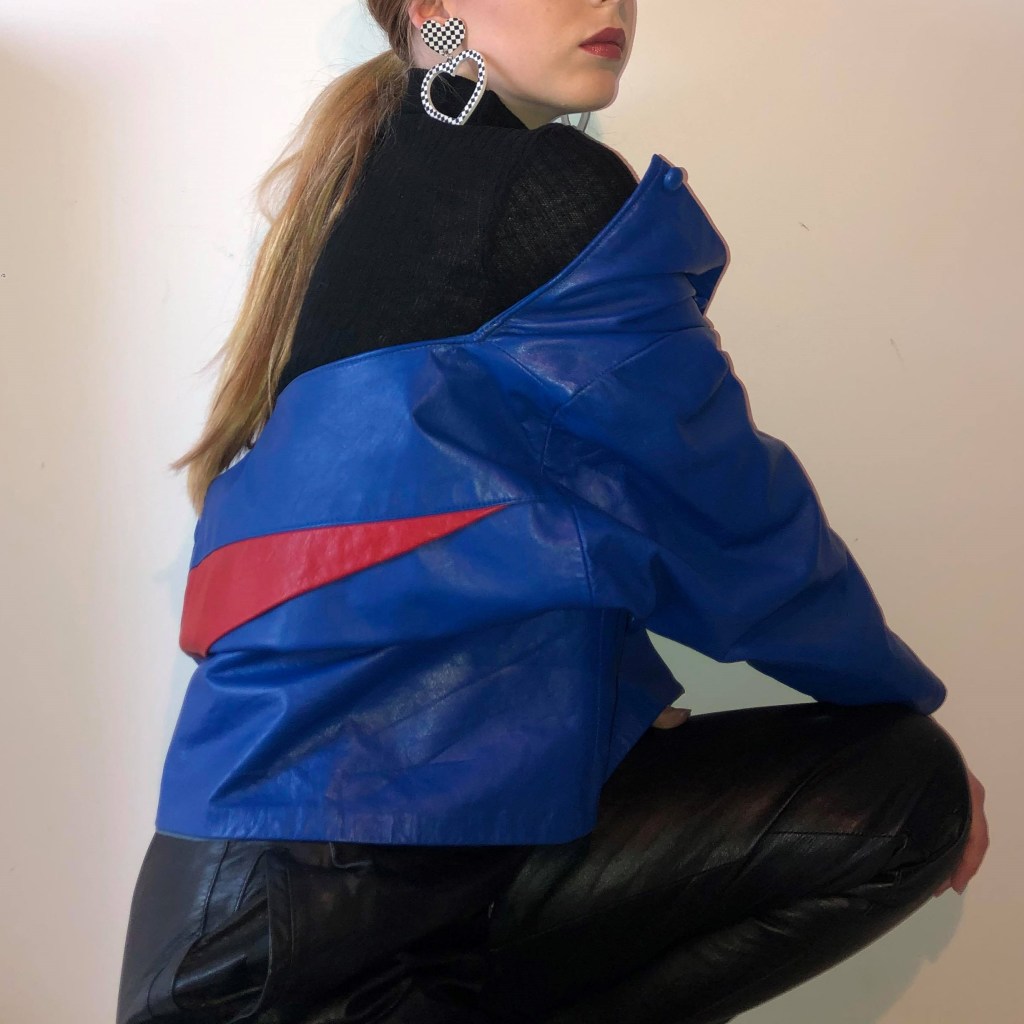
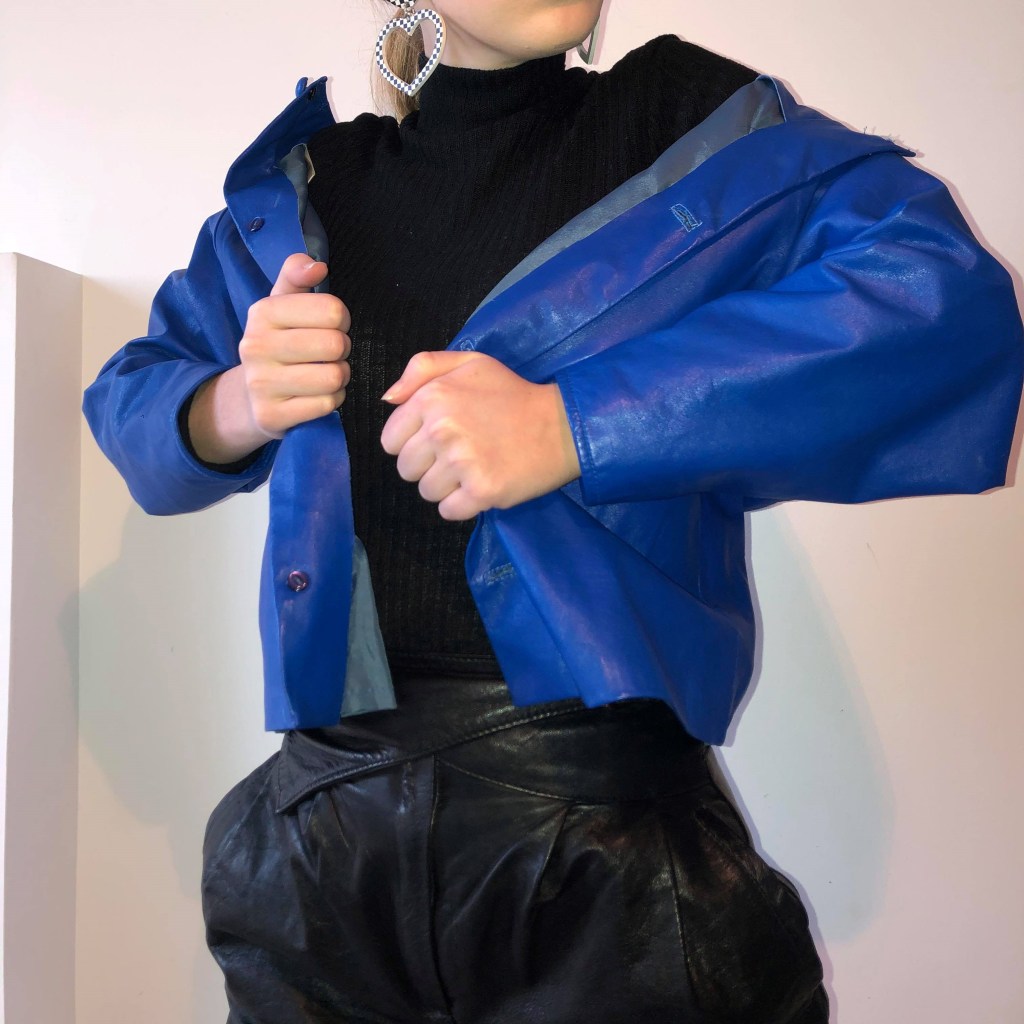
There is no one true answer as to whether fake or genuine leather is a cleaner or more environmental purchase as both effect the Earth in different ways. All businesses will have their own methods of production and dealing with waste. If you are buying this type of product, I recommend finding a brand which has a good environmental and ethical stance. Buy leather and pleather products as a long lasting investment which you will expect to use and own for a long time, or purchase from second hand shops as I do to avoid contributing to any of the pollution and waste caused by these industries.

Design a site like this with WordPress.com
Get started